
Communication
Ten Languages, One Record: Parent Communication in Multilingual Indian Schools
A fee reminder that a parent cannot read is not a reminder. It is a line in a report that says the reminder was sent. Indian schools serve families across languages as a matter of course, and most of them pay a quiet tax for it: circulars translated by hand, WhatsApp groups per language, and an office that cannot say which families actually understood what was sent.
The translation tax
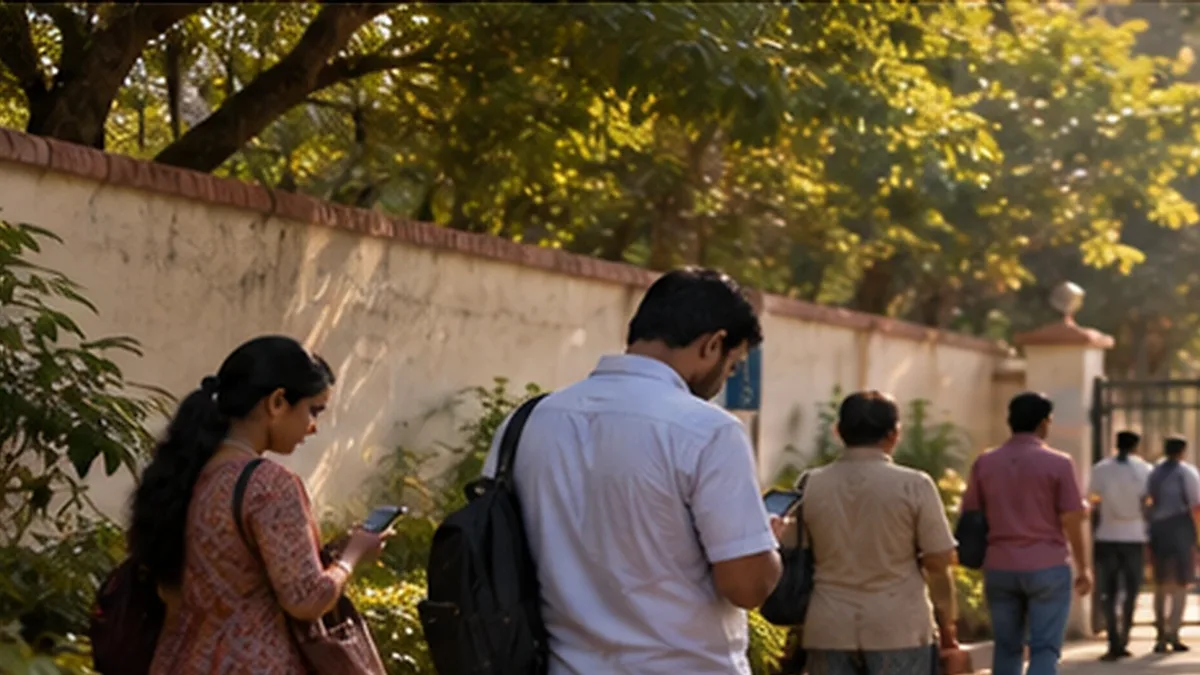
Walk into the office of a state-board school on the morning a circular goes out and watch what happens. The circular is drafted in English or the state language. A teacher translates it into the second language over tea. Someone pastes both into three WhatsApp groups and a bulk SMS panel. Parents reply into the groups, which nobody is assigned to read. A week later, the office cannot say who received which version, who read it, and who replied. The circular was 'sent'. That is the only fact the school can prove.
Multiply that by fee reminders, exam schedules, transport changes, consent forms and results, and the translation tax is a measurable share of a front office's week. It is also a governance gap. When a dispute arises over what a family was told, the evidence is a screenshot of a group chat.
Why broadcast tools cannot fix it
Messaging tools treat language as a property of the message: you write one version, then another, then send each to a list. The school ends up maintaining lists per language, and the lists drift from the student record the moment a family changes phones or a sibling joins. The fix is to treat language as a property of the family, held on the student record, and to have every message generated from the record in that family's language, automatically, with delivery and acknowledgement recorded against the student.
That is what 'ten Indian languages' means in SquareCampus: not ten translated apps, but one parent and student app, one set of circulars and notifications, rendered per family in the language the family chose, while the institution keeps exactly one record underneath.
What stays single
Language flexibility only works if the things that must not vary stay single. The due amount is one number. The receipt sequence is one sequence. The circular has one version of record, and the translations are renderings of it, not copies that can diverge. The acknowledgement is one field on the student's timeline, whichever language the parent read it in. The office sees one view: which families have acknowledged, which have not, in what language each was reached.
This is the difference between a communication feature and a communication system. The feature sends. The system knows what was sent, to whom, in which language, whether it was seen, and what happened next, and it keeps that beside attendance, fees and results on the same record.
- Language is chosen per family, once, and applies to every notification and circular.
- Circulars have one version of record; translations render from it and cannot drift.
- Delivery and acknowledgement are recorded against the student, whichever language was used.
- Replies route to the right role and are logged, so the WhatsApp group stops being the record.
- Consents and permissions are collected as recorded responses, in the family's language.
The state-board context
State-board schools feel this most, because they serve the widest range of families and run on state formats and calendars that already stretch the office. A school in a district where three languages are read at home cannot afford a communication process that only one of them can follow. The same is true for CBSE and ICSE schools in cities with migrant families, where the board's language and the family's language are often different things.
The measure of a communication system in that setting is not how many languages appear in the brochure. It is whether the office can answer, today, which families have not acknowledged the fee reminder and which language they read, and act on it as a task with an owner rather than another message into a group.
A checklist for the next demo
Ask the vendor to show these live, with a family whose language is not English, from the parent's phone and from the office screen at the same time.
- Set a family's language once and watch a fee reminder, a circular and an absence alert arrive in it without any manual translation.
- Show the office view of who acknowledged the circular, and in which language each family was reached.
- Reply from the parent's phone and show where the reply lands and who owns it.
- Change the circular after sending and show that every language version updated from the one record.
- Show the communication log for one student beside their fees and attendance.
See parent communication with a record
Messages tied to context, in ten Indian languages, with delivery and acknowledgement recorded against the student.